
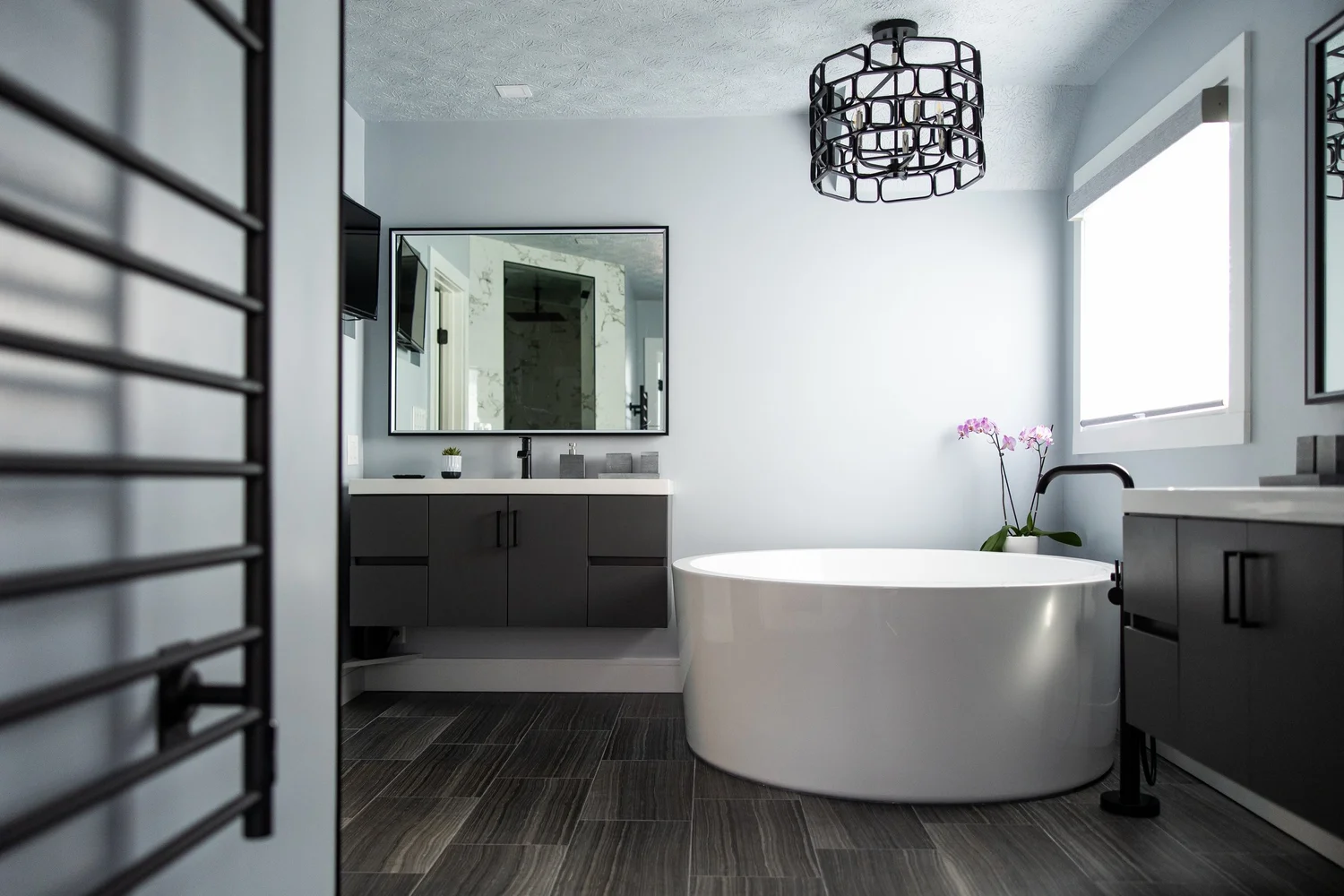
A bathroom should not ask you to work around it every morning. A cramped shower, dim lighting, aging tile, or a vanity with too little storage can turn a necessary room into a daily frustration. Thoughtful bathroom remodels replace those compromises with a space that feels natural to use, beautifully personal, and built to support the way you live now.
For Williamsburg homeowners, a bathroom renovation is often about more than updating finishes. It may be a chance to create a quiet personal retreat, prepare a longtime home for retirement, give a busy family better morning routines, or bring a dated primary suite in line with the quality of the rest of the home. The strongest results begin with a clear understanding of what needs to change and why.
Start With the Life You Want to Live
A beautiful bathroom has little value if it still feels inconvenient. Before selecting tile or fixtures, consider how the room performs during the moments that matter most. Is the shower large enough to be genuinely restorative? Do two people need room to get ready at once? Are towels, toiletries, and grooming tools easy to reach but out of sight? Does the layout support aging in place without looking clinical?
These questions shape design decisions that last. A larger shower may be more valuable than an oversized soaking tub for one household, while another may see the tub as essential to evening relaxation. A double vanity can improve a shared primary bathroom, but only if there is enough circulation space to keep the room from feeling crowded. Good design is never simply a collection of popular features. It is a tailored response to your routines, preferences, and long-term plans.
For many homeowners, the most meaningful improvements are felt rather than announced. Heated flooring on a cold morning, layered lighting at the vanity, a linen cabinet exactly where it is needed, and a shower bench that makes the room more comfortable all contribute to a better daily experience.
Bathroom Remodels Need a Strong Layout First
Finishes bring character, but layout determines whether a bathroom works. Moving walls, plumbing, or doorways can be a worthwhile investment when it resolves an awkward plan, creates privacy, or makes room for better storage. In other cases, retaining the existing plumbing locations can preserve more of the budget for custom cabinetry, natural stone, premium tile, or a higher-performing shower system.
The right choice depends on the home and the project goals. A hall bathroom may benefit most from a more efficient vanity and a carefully planned tub-shower combination. A primary suite may call for a more substantial reconfiguration, with separate vanities, a private water closet, a generous walk-in shower, or an expanded connection to the bedroom and closet.
An experienced Design-Construct team can help distinguish between changes that add real value and changes that merely add cost. That guidance is particularly important in established Williamsburg homes, where existing framing, mechanical systems, and room proportions may influence what is possible. Clear communication early in the process helps prevent surprises later and allows the design to be both ambitious and practical.
Make Storage Part of the Architecture
Storage is often treated as an afterthought in bathroom design. It should be planned from the beginning. A well-designed vanity can hold more than a standard cabinet when drawers are customized for everyday items. Recessed medicine cabinets, built-in linen storage, shower niches, and thoughtfully placed hooks can reduce visual clutter without making the room feel overbuilt.
The goal is not to fill every wall with cabinetry. It is to give each essential item a considered home. When storage is integrated into the design, the room remains calmer, easier to clean, and more enjoyable to use.
Design Lighting for Real Routines
One ceiling fixture rarely provides the right light for every task. Bathrooms need a layered approach: general light for the room, balanced illumination at the mirror, and softer accent lighting that creates a more relaxed atmosphere in the evening.
Sconces beside a mirror can reduce harsh shadows on the face, while a dimmable overhead fixture gives the room flexibility. Natural light is equally valuable, though privacy must be considered. Frosted glass, carefully positioned windows, and window treatments can bring in daylight without sacrificing comfort.
Choose Materials That Earn Their Place
High-end bathrooms should feel elevated, but luxury is not only a matter of selecting the most expensive material. It is about choosing finishes that complement one another, suit the home, and will continue to perform beautifully over time.
Porcelain tile is often an excellent option for wet areas because it offers wide design flexibility and dependable durability. Natural stone brings depth and individuality, but it may require more maintenance and can be better suited to certain applications than others. Quartz countertops offer consistency and easy care, while marble delivers a distinctive, classic character for homeowners who appreciate its natural variation and are comfortable with the care it requires.
Fixtures deserve the same consideration. A finish should complement the room's overall palette and coordinate with hardware, lighting, and mirrors. More importantly, faucets, valves, drains, and shower components should be selected for quality performance. The details behind the wall matter just as much as those in view.
A restrained material palette often creates the most enduring result. Rather than choosing every finish as a separate statement, build a composition with texture, tone, and visual balance. A warm wood vanity, softly veined stone, handmade-look tile, and polished metal accents can feel timeless when proportioned with care.
Invest Where Performance Matters Most
Some bathroom improvements are easy to appreciate at first glance. Others protect the investment long after the project is complete. Waterproofing, ventilation, plumbing connections, substrate preparation, and precise tile installation are foundational work. They may not be the first details a guest notices, but they determine how well a bathroom holds up through years of daily use.
A beautiful shower is only as reliable as the system beneath its tile. Proper waterproofing and drainage help safeguard the home from moisture damage. Adequate ventilation helps preserve finishes and supports a healthier indoor environment. Careful installation ensures that grout lines, tile transitions, shower slopes, and trim details look intentional rather than improvised.
This is where craftsmanship and accountability matter. Bathroom work brings many trades and materials together in a compact space, leaving little room for shortcuts. Homeowners deserve a team that respects the details, communicates clearly about decisions, and takes pride in the finished room as well as the work concealed behind its walls.
Plan for Comfort Now and Flexibility Later
Many homeowners are incorporating universal design principles into bathroom remodels without compromising elegance. A curbless shower can create a clean, open appearance while improving accessibility. A wider doorway, a shower bench, lever-style handles, and well-placed blocking for future grab bars can add practical flexibility with little impact on the room's style.
These choices are not right for every project, and they do not need to make a bathroom feel institutional. When considered early, they can become part of a sophisticated design that supports comfortable living for years to come.
A renovation also provides an opportunity to consider water efficiency and comfort at the same time. Modern fixtures can conserve water without delivering a weak experience, while thermostatic shower controls provide more consistent temperature management. The best selections balance everyday enjoyment with long-term stewardship of the home.
A Better Process Creates a Better Bathroom
The remodeling experience should feel organized, not mysterious. Detailed planning, transparent expectations, and ongoing communication allow homeowners to make confident decisions before construction begins. They also help the project team coordinate materials, trades, and schedule with greater precision.
At VanFleet Homes, the aim is not to impose a signature look on every project. It is to create a bathroom that belongs naturally in your home and reflects your own vision of comfort, beauty, and function. That may mean a serene, spa-inspired primary suite, a polished guest bath, or a hardworking family space designed to handle busy mornings with ease.
The best place to begin is not with a tile sample or a fixture catalog. Begin with the moments you want the room to make better, then build every decision around making those moments feel more comfortable, more beautiful, and more distinctly yours.