
A kitchen renovation can begin with a simple wish: more room to gather, better light at the island, storage that finally makes sense. Then the decisions arrive. When weighing design-construct versus contractor services, the question is not simply who can complete the work. It is which project experience will best protect your investment, reflect your vision, and guide your home from first ideas to the finished space.
For a high-end remodel or custom home, the answer often comes down to how much coordination, design direction, and accountability your project needs. Both paths can produce beautiful results with the right professionals. Their process, however, is very different.
What Design-Construct Means
A design-construct firm brings design and construction together under one team and one shared process. Rather than hiring a designer or architect first and then seeking a contractor to price and build completed plans, you work with a coordinated team from the earliest conversations.
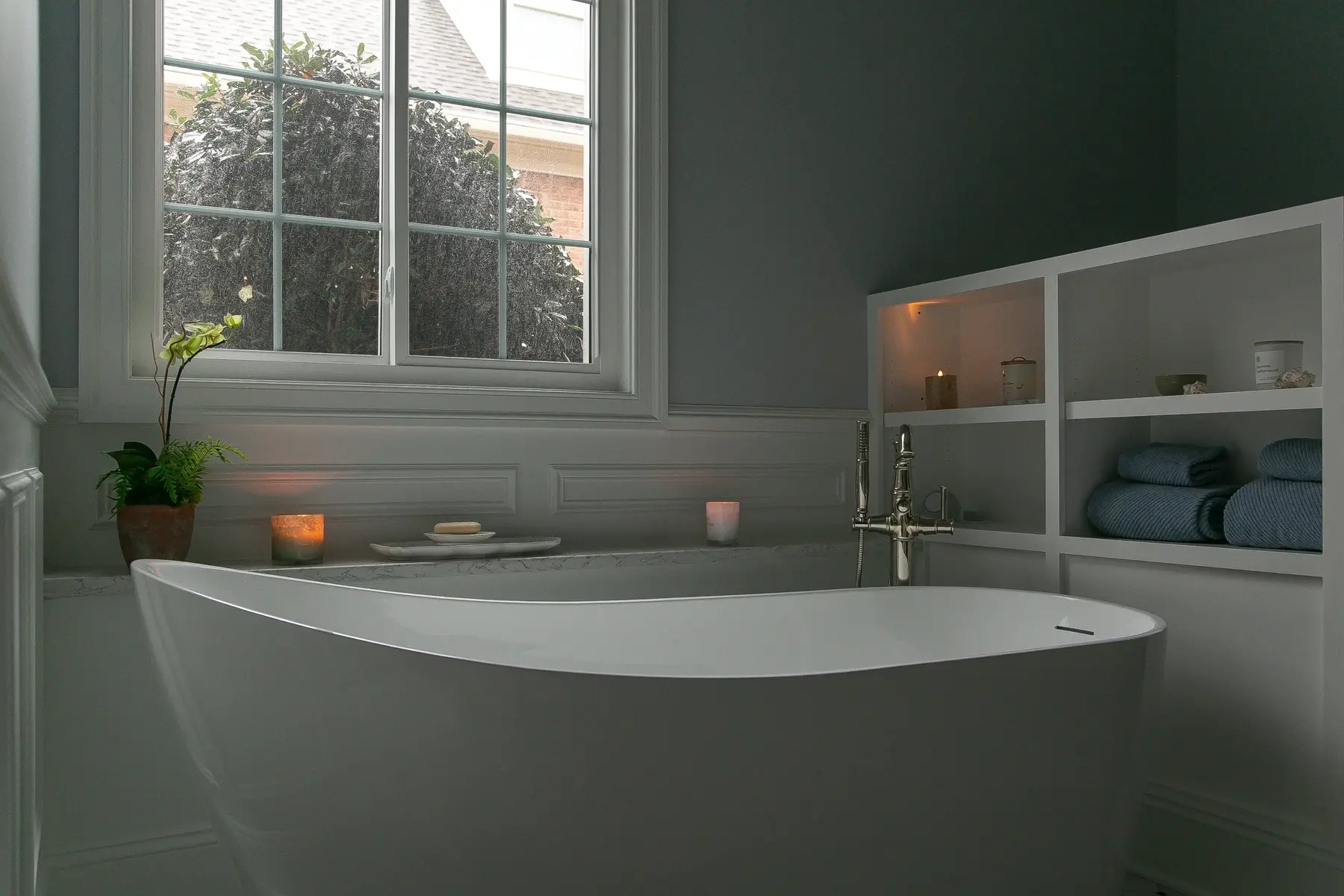
That relationship begins with how you want to live in the finished home. Perhaps your primary bathroom should feel like a personal retreat, with a generous shower, thoughtful lighting, and durable materials that remain beautiful through daily use. Perhaps your kitchen needs to serve quiet mornings as gracefully as it handles a house full of family. The design team translates those needs into plans, selections, and specifications while the construction team contributes practical insight on budget, buildability, scheduling, and site conditions.
The benefit is not that every decision becomes effortless. Meaningful renovations still require decisions about finishes, layout, priorities, and investment. The advantage is that those decisions happen with the people responsible for carrying them out. A design detail can be evaluated not only for its appearance, but also for how it will perform, what it requires to construct, and how it affects the overall scope.
Design-Construct Versus Contractor: The Core Difference
A traditional contractor arrangement usually begins after the design is substantially complete. You may work with an architect or interior designer to develop drawings, then invite contractors to bid on those plans. The contractor manages construction according to the documents provided.
This approach can be an excellent fit when plans are complete, selections are well defined, and the homeowner is comfortable coordinating several independent professionals. It may also suit a smaller, straightforward project where the design has already been resolved.
The distinction becomes more significant when a project involves structural changes, a reconfigured floor plan, premium finishes, aging-in-place considerations, or a home with unknown existing conditions. In those circumstances, a design-construct team can identify construction realities while the design is still taking shape. That early collaboration can reduce the gap between what is imagined on paper and what is practical in the home.
It is also worth clarifying that the word “contractor” covers a wide range of businesses. Some contractors offer valuable preconstruction guidance and maintain strong relationships with designers. Others focus primarily on executing a defined scope of work. The right question is not whether one title is automatically better. Ask who owns the process, when they join the conversation, and how they will communicate when the unexpected occurs.
How Each Model Shapes Your Experience
Communication and accountability
With design-construct, the designer, project leaders, and craftspeople work toward the same agreed-upon scope. If a selection affects installation, if an existing wall reveals a surprise, or if a layout choice requires adjustment, the conversation can happen within one team. Homeowners have a clear point of contact and a more unified chain of responsibility.
In a traditional model, the architect or designer and contractor are separate parties. This can work well when everyone communicates consistently. But when questions arise, the homeowner may find themselves relaying information between the people who designed the project and those building it. For clients who prefer a highly guided experience, that extra coordination can feel like an unnecessary burden during an already demanding renovation.
Budget clarity
Neither model can eliminate every unknown in an existing home. Opening walls can reveal outdated wiring, water damage, or framing conditions that were not visible during planning. Honest budgeting acknowledges that reality.
The difference is when cost information enters the process. A design-construct team can develop the design around a working investment range, offering options before a choice becomes embedded in the plans. If a custom cabinet configuration, natural stone selection, or structural change exceeds the desired budget, the team can explore alternatives while preserving the project’s central goals.
With a bid-based contractor process, estimates may arrive after much of the design work is done. If pricing comes in higher than expected, revisions can require another round of coordination between the design professional and contractor. That does not make the model wrong, but it can add time and create disappointment if the original plans did not account for current construction costs.
Schedule and change management
A contractor with complete, detailed plans may be able to move efficiently into construction. For a tightly defined project, that is a real strength. Yet even the best drawings do not answer every question inside an older home.
Design-Construct planning tends to spend more time resolving details before construction begins. Selections, permits, lead times, construction methods, and homeowner decisions are coordinated earlier. This front-loaded effort is intended to create a more predictable build phase, not to rush it. Fine craftsmanship needs proper sequencing, careful protection of the home, and attention to details that will be visible for years.
When changes are requested during construction, a design-construct firm can evaluate the visual, functional, scheduling, and financial implications in one conversation. In either model, changes should be documented clearly. Open communication is not a courtesy in this moment. It is the foundation of trust.
When a Traditional Contractor May Be the Better Fit
A contractor can be the right choice when you already have highly detailed plans, have selected your finishes, and want a builder to execute a carefully defined scope. It can also be appropriate if you have an architect or designer you know well and prefer to keep those relationships separate.
This path asks more of the homeowner. You may need to confirm who handles design questions, who orders materials, how allowances are managed, and who approves changes. Before signing an agreement, make sure the drawings and specifications are sufficiently complete for meaningful pricing. A low initial bid can become less meaningful if key elements have not yet been selected or described.
For a simple repair or a limited replacement project, a specialized contractor may be all you need. Replacing an existing vanity, refinishing floors, or installing a new appliance does not always require an integrated design and construction team.
When Design-Construct Is Especially Valuable
Design-Construct is often a natural fit for whole-home remodeling, kitchen renovations, primary-suite transformations, additions, and custom residences. These projects ask more than whether a room can be built. They ask how circulation, natural light, storage, materials, architecture, and daily routines should work together.
For homeowners in Williamsburg’s established neighborhoods, existing homes can bring both character and complexity. A small layout adjustment may affect mechanical systems, structural elements, or the way one room connects to the next. A design-construct process gives those interdependent decisions a single home from the start.
At VanFleet Homes, that collaborative approach is centered on more than drawings and schedules. It is about listening closely enough to create a home that feels personal, then applying the discipline and craftsmanship required to bring that vision to life with care.
Questions That Reveal the Right Partner
Before choosing either path, ask how design decisions are coordinated with construction pricing, who will guide you through selections, and how the team handles discoveries behind walls. Ask for an explanation of the project schedule, including when materials are ordered and how delays are communicated. You should also understand what is included in the scope, what is treated as an allowance, and how change orders are approved.
Pay attention to the quality of the answers. A trusted partner will not promise that a major renovation contains no uncertainty. They will explain how they identify risks early, communicate clearly, and make decisions with integrity when conditions change.
The best choice is the one that gives you confidence before construction begins. Whether you choose design-construct or a traditional contractor, look for a team that respects both the beauty you envision and the practical work required to make your home a lasting source of comfort.