
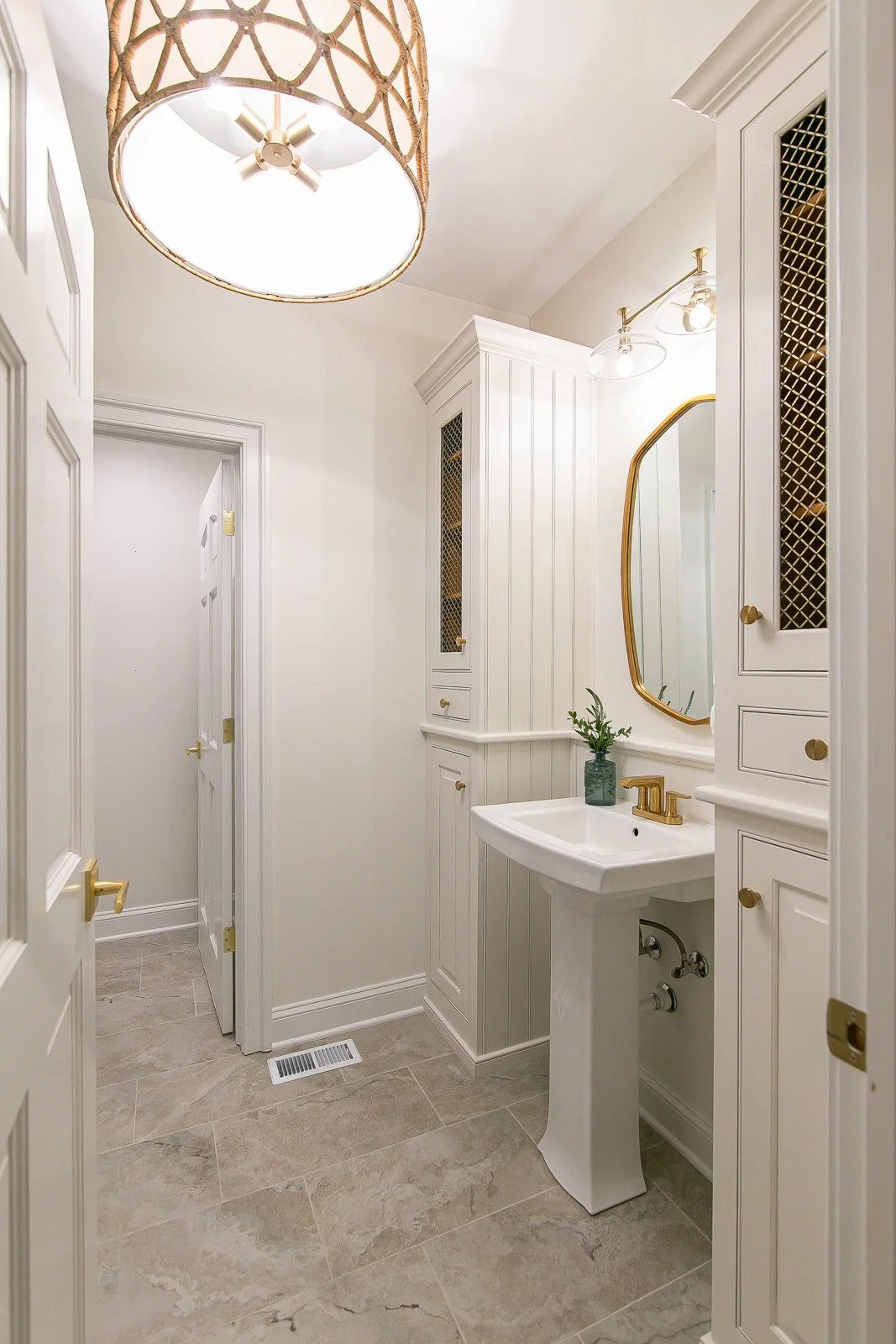
A kitchen can be filled with beautiful finishes and still feel wrong at 7:30 on a busy morning. A bathroom can look luxurious in photographs yet offer too little storage, poor lighting, or no quiet place to unwind. A successful high end home renovation begins by looking beyond finishes to the way a home supports the people who live there.
For homeowners making a significant investment, the goal is not simply a more impressive house. It is a residence that feels more personal, more functional, and more enduring with every passing year. That requires thoughtful design, disciplined planning, and craftsmanship that respects both the visible details and the work behind the walls.
What Defines a High End Home Renovation?
Luxury is often associated with marble, custom cabinetry, statement lighting, and premium appliances. Those elements can certainly be part of the picture, but they are not the whole story. A high-end renovation is defined by intentional decisions that work together: a layout shaped around daily routines, materials selected for both beauty and performance, and details executed with precision.
In a well-planned kitchen remodel, for example, the cabinetry is not merely decorative. It may create a better cooking sequence, conceal small appliances, provide room for serving pieces, and establish a natural gathering place for family and guests. In a primary bathroom, a freestanding tub and elegant tile matter, but so do heated floors, carefully placed outlets, lighting that flatters rather than glares, and storage that keeps the room peaceful.
The difference is especially clear over time. A renovation centered only on appearance can feel dated or inconvenient sooner than expected. One built around a homeowner's lifestyle continues to make ordinary moments easier, whether that means hosting holiday dinners, welcoming grandchildren, working from home, or settling into retirement.
Begin With How You Want to Live
Before selecting a cabinet profile or tile sample, consider what is not working in the home now. The answer is often more revealing than a list of preferred finishes. Perhaps the kitchen cuts off the cook from conversation. Maybe an underused formal room could become a light-filled office or a comfortable guest suite. A once-suitable floor plan may no longer serve a growing family, an empty nest, or the wish to age comfortably in place.
It helps to think through a typical day as well as the occasions that matter most. Where do people set down bags and mail? Does more than one person need room to prepare for the day? How often do you entertain, and where do guests naturally gather? Which rooms are beautiful but rarely used?
These conversations turn broad preferences into design direction. They also prevent a common mistake: investing heavily in a room without first addressing the layout, circulation, and storage that determine whether it will truly serve the household.
Design for the Present and the Next Chapter
The most rewarding renovations balance immediate needs with a long-term vision. That may mean creating a first-floor suite for visiting family today and future convenience tomorrow. It might involve widening passages, improving lighting, or replacing a cramped bath with a more accessible personal retreat.
Planning for the future does not require making a home feel clinical or overly cautious. Thoughtful universal design can be elegant and discreet. A curbless shower, comfortable clearances, layered lighting, and well-designed storage can enhance daily comfort for everyone while allowing the home to adapt gracefully over time.
Invest in the Parts You Touch Every Day
A renovation budget should reflect how the home is used. Some finishes create immediate visual impact, while other investments quietly improve the experience of living there for decades. The strongest projects make room for both.
Custom or semi-custom cabinetry can transform storage and proportions in a kitchen, bath, library, or mudroom. Quality windows and doors affect comfort, natural light, sound control, and energy performance. Durable plumbing fixtures, carefully selected hardware, and expertly installed tile may seem like smaller decisions, but they influence how a room feels every day.
There are trade-offs. A rare natural stone may be visually dramatic, yet it can require more maintenance than a high-quality engineered surface. Open shelving can make a kitchen feel airy, but it asks homeowners to keep displayed items organized. A statement light fixture may be perfect above a dining table but less practical in a room where task lighting is the priority.
The right choice depends on the household. A skilled Design-Construct partner helps clients distinguish between a feature that photographs well and one that will bring lasting pleasure in real life.
Why Layout Matters More Than Square Footage
Many homeowners assume they need an addition when what they really need is a better plan. Reworking adjacent rooms, opening a carefully selected wall, relocating a doorway, or reassigning an underused space can create a dramatic change without expanding the home's footprint.
This is particularly relevant in established Williamsburg homes, where architectural character and mature neighborhoods are often part of the appeal. A thoughtful renovation can preserve what gives a home its identity while improving its flow, light, and everyday function.
Still, an addition can be the right answer when the existing structure cannot accommodate the desired change. A new family room, expanded kitchen, primary suite, or connected indoor-outdoor living area may be worthwhile when it creates the space needed for the life you envision. The key is to make the new work feel integrated, not attached as an afterthought.
Let Architecture Guide the Choices
A beautiful renovation should feel at home in its setting. That does not mean every detail must replicate the original architecture exactly. A traditional home can accommodate a cleaner, more contemporary kitchen, and a newer home can benefit from warm, classic materials. The goal is proportion, continuity, and a clear point of view.
Exterior details, window placement, ceiling transitions, flooring changes, trim profiles, and sightlines all contribute to that sense of cohesion. These decisions are easy to overlook in isolation, but together they determine whether a renovation feels composed or pieced together.
Choose a Process That Protects the Vision
High-end projects involve many interdependent decisions. Design selections affect lead times. Existing conditions can influence engineering and construction methods. A change to one room may affect flooring, electrical work, HVAC, or finishes elsewhere in the home.
That is why communication is not an extra service. It is central to the renovation experience. Homeowners deserve clear expectations around scope, budget, schedule, selections, and decisions that require attention. They should understand what is happening in their home and have confidence that questions will be addressed directly.
An integrated Design-Construct approach can be especially valuable because the people shaping the design remain connected to the realities of construction. This helps identify practical concerns earlier, coordinate details more closely, and maintain accountability from the first conversation through final completion.
It also creates room for better problem-solving. Renovations can reveal surprises behind walls or beneath floors, particularly in older homes. A trustworthy partner does not minimize those possibilities or make promises that cannot be kept. Instead, the team investigates thoroughly, explains the available options, and works with the homeowner to make informed decisions.
The Details That Make a Home Feel Finished
The most memorable homes often feel calm because their details have been resolved. Cabinetry aligns cleanly. Grout joints are consistent. A doorway lands where it should. Hardware feels substantial in the hand. Lighting has been considered at several levels, from ambient illumination to task lighting and soft accent light.
These details require patience and coordination. They are also where artisan-level workmanship becomes visible. Precision does not mean making every room overly formal. It means respecting the materials, the design, and the homeowner's investment enough to execute the work with care.
For a whole-home remodel, consistency matters. Repeating a restrained palette of finishes, metals, wood tones, and trim details can create a sense of continuity while allowing each room to have its own character. A home should feel collected and personal, not repetitive.
Build for Lasting Enjoyment
A high end home renovation is most successful when it brings more ease to the routines that matter and more pleasure to the moments worth celebrating. The finished home may include a showstopping kitchen, a spa-inspired bath, or a welcoming new living space. More importantly, it should feel unmistakably suited to the people who call it home.
At VanFleet Homes, that belief begins with listening closely and continues through thoughtful design, quality workmanship, and open communication. When you are ready to consider what your home could become, start by imagining not just how it should look, but how you want it to feel on an ordinary day.