
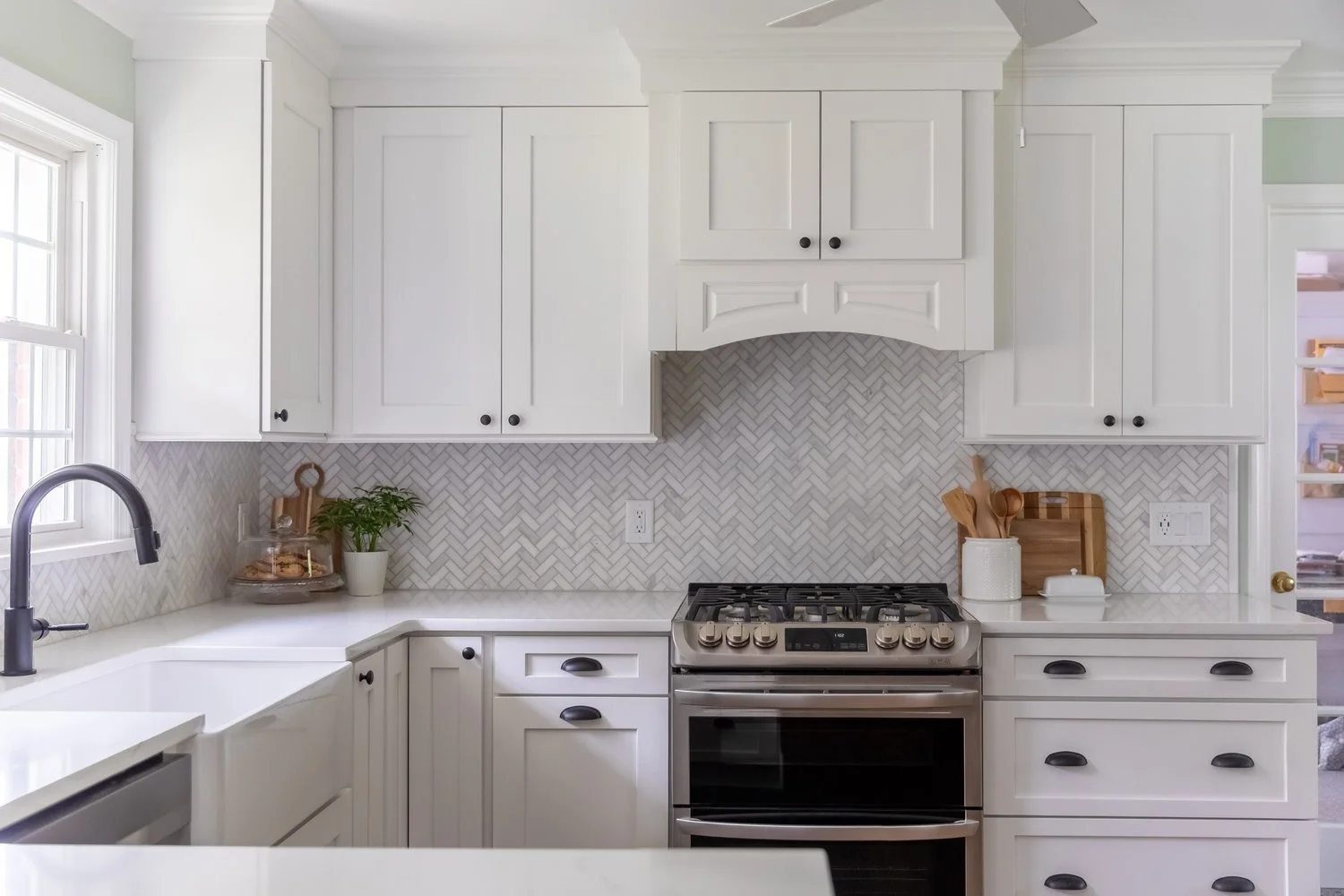
A remodeling project begins long before the first cabinet is removed or tile is set. It begins with choosing the team that will be trusted inside your home, with your investment, and with the vision you have for the way you want to live. Knowing how to choose a home remodeling contractor helps turn a high-stakes decision into a thoughtful, confident process.
For a kitchen that will become the center of family life, a bathroom designed as a personal retreat, or a whole-home transformation that better supports the years ahead, the lowest proposal is rarely the clearest measure of value. The right contractor brings design sensitivity, technical skill, organized execution, and the integrity to communicate honestly when decisions or conditions change.
Start With the Life You Want Your Home to Support
Before meeting contractors, define the problem you are solving and the experience you hope to create. A homeowner may say they need a larger kitchen, but the deeper need may be easier entertaining, better sightlines to the family room, more room for grandchildren, or a layout that feels gracious rather than crowded. A primary bathroom remodel may be about improved storage and accessibility, but it can also be about creating a calmer beginning and end to each day.
Create a clear picture of your priorities. Consider which rooms need attention, how your household uses them now, and how that may change over the next five or ten years. Save images that reflect the materials, colors, architectural details, and atmosphere you are drawn to. Just as useful, make note of what does not work in your current home.
This preparation helps you identify a contractor who can think beyond isolated construction tasks. High-quality remodeling is not simply replacing finishes. It is the careful coordination of layout, architecture, lighting, storage, craftsmanship, and daily function.
Look for Relevant Experience, Not Just General Experience
A contractor can have years in construction and still not be the right fit for your project. Remodeling an occupied home requires a different level of planning than new construction or small repair work. High-end kitchens, bathrooms, additions, and whole-home renovations each demand specialized coordination among designers, trade professionals, material suppliers, and homeowners.
Review completed projects with an eye for work that resembles your own in scale, style, and complexity. Look past the most photogenic feature. Notice whether cabinetry aligns cleanly, tile patterns are thoughtfully composed, transitions between old and new spaces feel natural, and the overall design appears resolved rather than pieced together.
A strong portfolio offers evidence of craftsmanship, but it should also reveal versatility. Your home should reflect your architecture and personal taste, not a contractor's single preferred look. In Williamsburg, that can mean respecting the character of a traditional home while introducing the tailored comforts, improved flow, and refined finishes that make it work beautifully for modern life.
Consider the Advantage of a Unified Design-Construct Process
Some homeowners begin with an independent designer or architect and then seek a builder. This can work well, especially for a highly specialized architectural vision. However, a Design-Construct firm offers a different advantage: design and construction are developed together from the beginning.
When one collaborative team is responsible for both, the design can be shaped around realistic construction methods, material lead times, permitting considerations, and budget priorities before work begins. That early coordination can reduce the costly disconnects that occur when a beautiful plan proves difficult or expensive to build as drawn.
Ask each prospective contractor how design decisions are made, who prepares the plans, and when pricing enters the conversation. You want a process that gives creativity room to flourish while keeping practical decisions visible. Great design should feel inspiring, but it must also function well, fit the home, and be executed with precision.
How to Choose a Home Remodeling Contractor With Confidence
Once you have narrowed the field, the quality of the conversation matters as much as the quality of the portfolio. The right contractor will be interested in how you live, not just the square footage of the room. They should ask informed questions about your goals, investment range, schedule, decision-making preferences, and concerns about living through construction.
Pay attention to whether they listen carefully and explain their process in terms you can understand. Remodeling includes variables, particularly when walls are opened in an older home. A trustworthy contractor does not promise that surprises never happen. Instead, they explain how discoveries are documented, priced, discussed, and resolved before additional work proceeds.
Ask who will oversee your project day to day and how often you can expect updates. A dedicated project manager, consistent point of contact, and regular communication schedule can make an enormous difference during a major renovation. You should know who to call, how decisions will be recorded, and how the team will protect your home, maintain a safe jobsite, and manage access while work is underway.
Compare Proposals by Scope and Process
When proposals arrive, resist the instinct to compare only the final number. A lower price may reflect a genuinely efficient approach, but it may also mean that key items are missing, allowances are unrealistically low, or the contractor has not yet invested enough time to understand the project.
A meaningful proposal clarifies what is included, what is excluded, and where selections or unknown conditions may affect the investment. It should address major categories such as demolition, framing, electrical work, plumbing, cabinetry, finishes, permits, project management, and cleanup as appropriate for the project. You do not need every nail counted in the earliest conversation, but you do need a clear path from preliminary planning to a detailed scope of work.
Be especially cautious with vague language. Terms such as standard materials or allowance as needed can create room for misunderstanding unless they are defined. Ask what level of finish is assumed and whether the allowances align with the fixtures, appliances, stone, tile, or hardware you envision.
The best value is the proposal that most accurately reflects what you want built and demonstrates a reliable method for delivering it. A carefully planned project can cost more upfront than an incomplete estimate, yet it often protects the homeowner from sharper surprises later.
Verify Credentials and Speak With Past Clients
Professional qualifications are fundamental. Confirm that the contractor is properly licensed for the work, carries appropriate insurance, and has a solid local reputation. Ask how long the company has been operating under its current name and whether it uses established trade partners with the experience required for your project.
References provide another layer of insight. Rather than asking only whether clients were happy, ask what communication was like during construction, how the team handled changes, whether the schedule was managed thoughtfully, and how any concerns were resolved. Every project has moments that require decisions. The character of a contractor is often most visible in those moments.
If possible, ask to see a completed project in person or speak with a client whose project is similar to yours. Professional photography can show beauty. A past client can speak to the less visible but equally meaningful experience of having a team work in their home for weeks or months.
Read the Contract Before the Work Begins
A thorough contract is a sign of respect for both parties. It should identify the project scope, payment schedule, anticipated timeline, change-order process, responsibilities for selections, and warranty or post-project service commitments. Read it carefully and ask questions before signing, not after demolition begins.
The schedule deserves particular nuance. Quality remodeling cannot always be reduced to a fixed completion date, especially when custom materials, inspections, or unforeseen conditions are involved. Still, your contractor should provide a realistic sequence of work and keep you informed when timing shifts. Clear expectations are not a luxury. They are essential to a well-managed project.
Avoid any contractor who pressures you to sign immediately, requests an unusually large payment before meaningful work begins, refuses to provide documentation, or dismisses reasonable questions. You are not being difficult by seeking clarity. You are protecting your home and setting the foundation for a productive partnership.
Choose the Team You Trust to Carry the Details
The final decision is both practical and personal. You need confidence in the contractor's capabilities, pricing, and process, but you also need to feel comfortable having the team in your home and relying on their judgment. The best relationships are built on direct communication, mutual respect, and a shared commitment to doing the work well.
At VanFleet Homes, that commitment means treating each remodel as a personal transformation rather than a transaction. The goal is not simply to complete a project. It is to create a home that feels more functional, more beautiful, and more distinctly yours.
Choose a contractor who sees the full picture: the craftsmanship in each detail, the discipline behind the schedule, and the everyday moments you hope your renewed home will hold. That is where a successful remodel truly begins.