
A beloved neighborhood, mature trees, and a home full of memories can make moving feel like the wrong answer. Yet a dated floor plan, undersized kitchen, or poorly functioning primary bath may make staying feel equally difficult. The decision between renovation versus new construction is not simply about choosing a project type. It is about deciding how and where you want to live for the next chapter of your life.
For homeowners in Williamsburg and surrounding communities, both paths can create an extraordinary home. The better choice depends on what you value most: your location, the condition of the existing structure, your appetite for change, and the level of personalization your lifestyle requires.
Renovation Versus New Construction Starts With Your Priorities
A renovation allows you to preserve what already feels right. Perhaps your home is close to friends, family, golf, waterfront views, or the amenities that drew you to the neighborhood in the first place. Perhaps its architecture has character that cannot be replicated, even with a new custom build.
New construction begins with a different kind of opportunity. Instead of working within existing walls, structural systems, and room proportions, you can shape the entire home around the way you live now. The kitchen can be positioned for entertaining. The primary suite can become a true personal retreat. Storage, circulation, natural light, accessibility, and outdoor living can all be considered from the first sketch.
Neither option is automatically more luxurious or more sensible. A well-designed whole-home renovation can feel as intentional and refined as a new residence. Likewise, building new is not always the best financial or emotional choice when an existing home has strong bones, meaningful history, and an irreplaceable setting.
When Renovating Your Existing Home Makes Sense
Renovation is often the right path when the home’s location and foundational character are worth preserving. If you love your street, your lot, and the life you have built nearby, a thoughtful remodel can solve the frustrations that make the house feel outdated without requiring you to leave the place you call home.
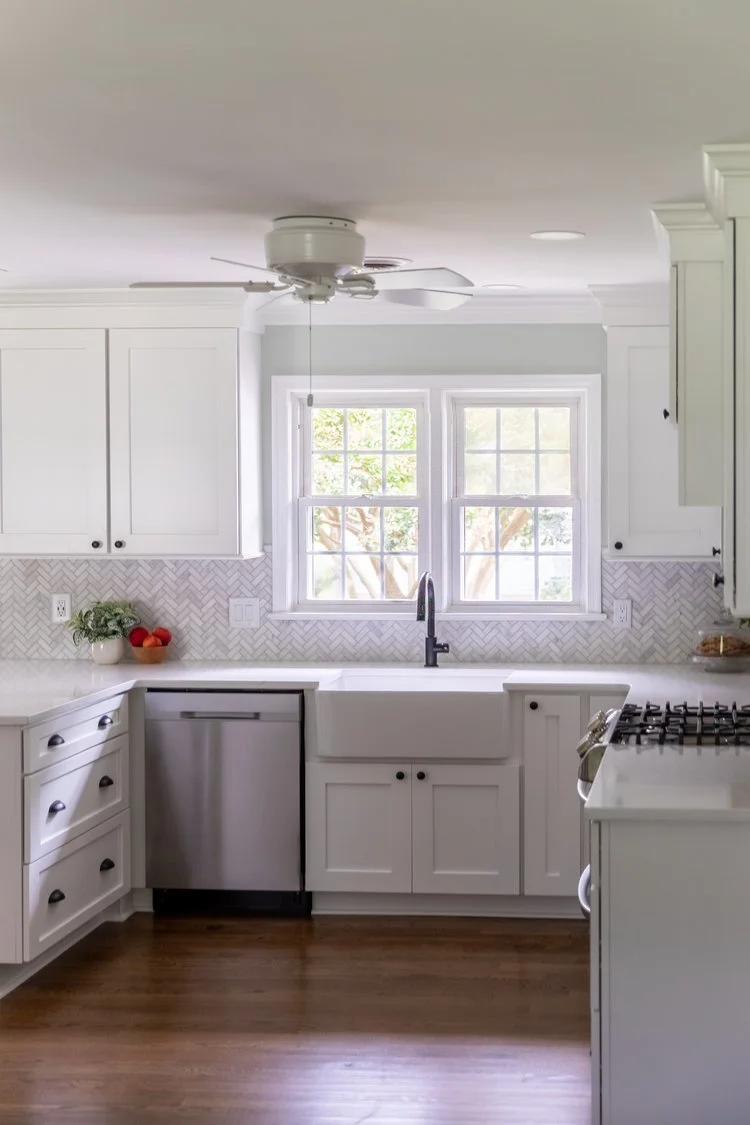
A kitchen remodel may transform a closed-off cooking space into the natural centerpiece of your home. A bathroom remodel can replace a cramped, aging room with a calm retreat designed around everyday comfort. For a home that no longer supports family gatherings, remote work, or multigenerational living, a whole-home remodel can improve flow and bring a more cohesive vision to every room.
Renovation can also offer practical value when much of the home is already in good condition. Keeping an existing foundation, exterior walls, or portions of the structure may reduce the scope compared with starting entirely from scratch. That does not mean a renovation is inherently inexpensive. High-end remodeling involves skilled trades, detailed planning, premium materials, and the discovery work required in an existing home.
The Hidden Variables in a Remodel
Existing homes can hold surprises behind the walls. Older wiring, plumbing updates, moisture damage, framing issues, or code requirements may emerge once construction begins. A responsible Design-Construct partner investigates as much as possible before work starts, establishes clear allowances and expectations, and communicates directly when an unforeseen condition requires a decision.
This is where craftsmanship and transparency matter as much as design. A beautiful rendering is only the beginning. The finished space must perform well, fit the home gracefully, and be built with the care required to endure.
Renovation also asks homeowners to make peace with certain constraints. Ceiling heights, load-bearing walls, lot setbacks, and the footprint of the home can limit what is possible. Creative design can accomplish a great deal, but it should respect the structure rather than force a costly or impractical solution.
When New Construction Is the Better Choice
New construction is compelling when your vision requires a clean slate. If the existing home needs extensive structural work, has a fragmented layout throughout, or would demand major changes in nearly every room, building new may offer more confidence and freedom over the long term.
A custom home lets you make decisions before materials are installed and walls are framed. You can plan an entry that welcomes guests with ease, a kitchen that supports quiet mornings and lively celebrations, and living spaces that connect naturally to outdoor areas. You can also account for future needs, whether that means a first-floor primary suite, wider hallways, flexible guest space, or a room designed for a changing family.
Performance is another advantage. A newly built home can incorporate current insulation standards, energy-efficient windows, modern mechanical systems, and carefully coordinated electrical and plumbing layouts from the start. These details may not be the first things guests notice, but they shape daily comfort, operating costs, and peace of mind.
New construction generally provides greater certainty about what lies behind the walls because everything is being created anew. Still, it is not a shortcut. A custom residence requires site evaluation, permitting, selections, detailed budgeting, and hundreds of decisions. The most rewarding projects are built on a clear process and steady communication, not rushed inspiration.
Your Lot Is Part of the Decision
The site itself can determine whether a new build is practical. An empty lot may be ready for a home, or it may require substantial preparation for grading, utilities, drainage, or access. If you plan to remove an existing structure and rebuild, demolition and site work need to be included in the early conversation.
In established Williamsburg communities, architectural guidelines, setbacks, and neighborhood requirements may also influence design choices. These considerations do not diminish the possibilities. They simply make early planning essential, so the home can reflect your vision while responding thoughtfully to its setting.
Compare the Full Investment, Not Just the Starting Price
Cost is understandably central to renovation versus new construction, but initial estimates alone rarely tell the full story. Renovations may avoid land acquisition and preserve valuable components of an existing home. New construction may reduce unknown conditions and deliver a more comprehensive reset of systems, layout, and performance.
The strongest comparison looks beyond price per square foot. Consider how long you intend to stay, how much work the existing home truly needs, the value of the neighborhood, and what compromises you would have to accept with each option. A less expensive project that still leaves you with an awkward layout or limited storage may not serve you as well as a more ambitious transformation designed for the way you want to live.
It is also wise to consider the cost of disruption. A major renovation can mean living through construction, moving out temporarily, or phasing work over time. New construction may allow you to remain in your current home until the new one is ready, but it can involve a longer planning and approval process. The right timeline is the one that balances your practical needs with the quality of the finished result.
Let Daily Life Guide the Design
The most useful question is not, “Should we renovate or build?” It is, “What would make this home serve us beautifully every day?” Your answer may involve a sun-filled kitchen where family gathers, a quiet bath that makes the end of the day feel restorative, or a home designed to welcome grandchildren, friends, and future seasons of life.
Bring those answers into the earliest design conversations. Share what frustrates you, what you love, how you entertain, and what you hope will feel different when the project is complete. With a clear vision and a trusted team, either path can lead to a home built around comfort, beauty, and the life you are ready to enjoy.