
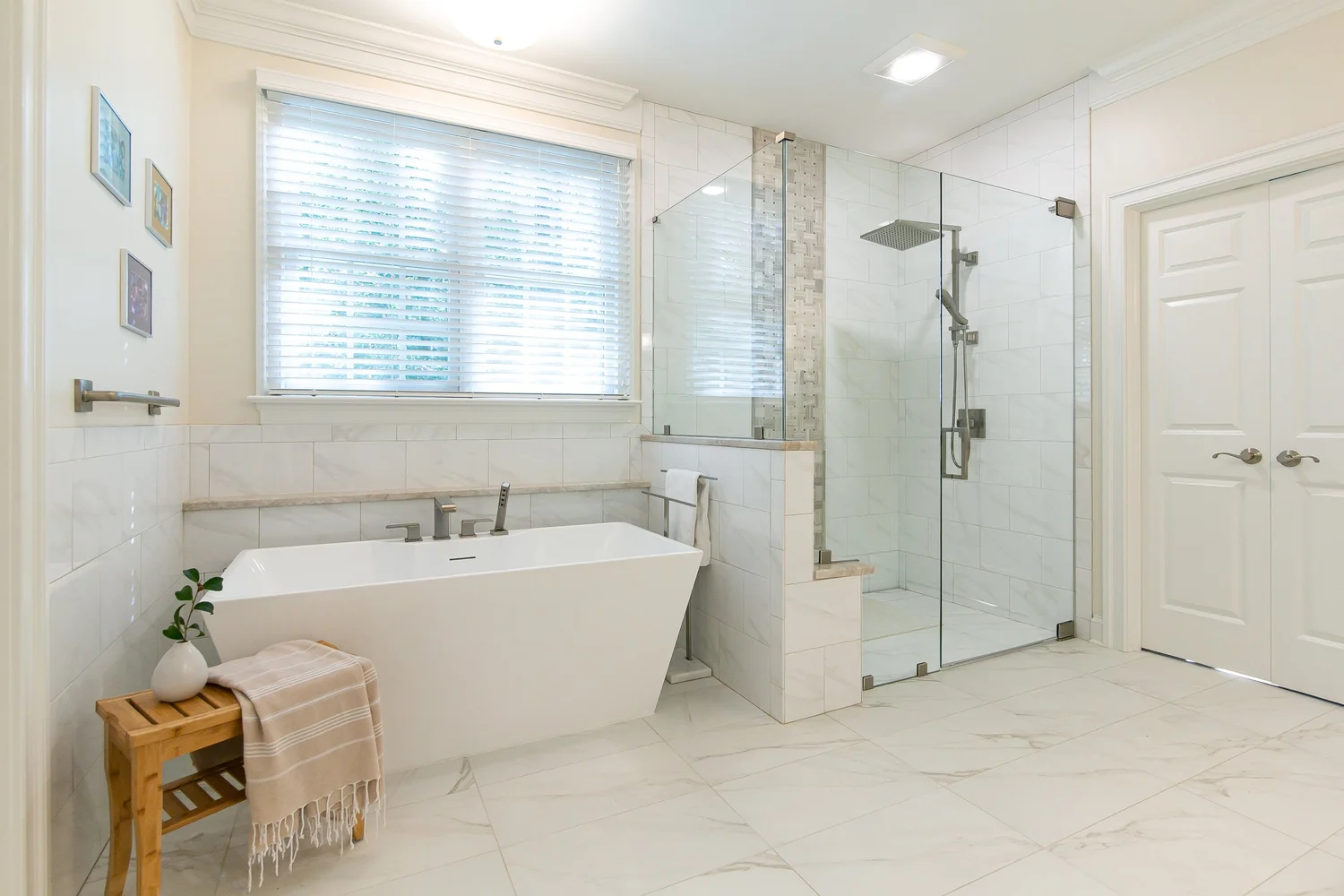
A beautiful project gallery can show you what is possible. Design-Construct testimonials reveal something equally important: what it feels like to live through the process that creates it. For a kitchen remodel, a personal-retreat bathroom, or a whole-home transformation, that experience matters as much as the finished photographs.
A major renovation asks homeowners to make meaningful decisions, welcome a team into their home, and invest in a vision that may shape daily life for decades. The most useful client feedback does more than offer praise. It gives you a clear view of how a Design-Construct partner listens, communicates, solves problems, and stands behind the details.
Why Design-Construct Testimonials Matter
Unlike a short rating, a thoughtful testimonial can connect the finished space to the path that led there. A homeowner may describe a kitchen that finally brings the family together, but they may also explain how the team helped refine the layout, protected the home during construction, or kept them informed when a decision needed attention.
That distinction is especially valuable when comparing Design-Construct firms with contractors who only handle construction. In a true Design-Construct relationship, design direction, material selections, budgeting, and construction execution are connected from the beginning. A testimonial should help you understand whether that connection made the experience clearer and more cohesive for the client.
For homeowners in Williamsburg and surrounding communities, a remodel is often more than an update. It may be preparation for retirement, a response to a growing family, a way to make an older home function better, or an opportunity to create surroundings that feel more personal. Client stories can show whether a company understands those larger goals rather than simply completing a scope of work.
What Strong Testimonials Actually Reveal
The best testimonials are specific. They include details that are difficult to invent and meaningful to a future client. Instead of relying only on statements such as “great work” or “beautiful results,” look for evidence of how the company earned that response.
Clear communication when decisions matter
Renovations involve choices, and even well-planned projects can require adjustments. A strong testimonial often mentions how the team communicated: Were expectations established early? Did the homeowners know what would happen next? Were questions answered directly? Did the team explain options when a hidden condition or product delay affected the plan?
Open communication does not mean promising that every project will be free of surprises. Existing homes can reveal conditions behind walls, beneath floors, or inside aging systems that no one could fully see during early planning. What matters is how those moments are handled. Homeowners should look for feedback that describes candor, timely updates, and practical guidance rather than vague assurances.
A process built around the homeowner
High-end remodeling should not feel like a predetermined package placed inside someone else’s home. Meaningful testimonials often describe a team that paid attention to how the client cooks, entertains, relaxes, works, or welcomes family overnight.
In a kitchen, that may mean placing storage where it supports the way a household actually prepares meals. In a bathroom, it may mean creating a quieter, more comfortable routine with better lighting, a spacious shower, and finishes that feel timeless rather than temporary. For a whole-home remodel, it can mean reshaping the flow between rooms so the home supports both everyday life and special occasions.
Listen for language about collaboration. The right Design-Construct partner brings creative direction and professional judgment, but the homeowner’s lifestyle should remain at the center of the work.
Respect for craftsmanship and the home
Finished photos can communicate style, but testimonials often reveal the care behind it. Homeowners may mention the precision of tilework, cabinetry installation, trim details, paint finishes, or the way a newly configured space feels balanced and intentional.
They may also speak to how the team treated the home during construction. Clean work areas, careful protection of adjacent rooms, reliable arrival times, and courteous interactions are not minor details. They are part of the standard of professionalism a homeowner should expect when investing in a major renovation.
Craftsmanship is both visible and invisible. The beautiful vanity, custom island, or statement light fixture makes an immediate impression. Equally important are the decisions behind the walls, the alignment of materials, the fit of doors and drawers, and the disciplined execution that helps a space perform well over time.
Confidence in problem-solving
No responsible remodeling firm should suggest that a complex project is simply effortless. The more useful question is whether challenges are identified early and addressed thoughtfully. Testimonials that mention problem-solving can be particularly reassuring when they describe a team that brought solutions, explained trade-offs, and protected the integrity of the design.
For example, a client may have needed to choose between preserving an original architectural feature and gaining additional storage. Another may have faced a material selection that exceeded the initial allowance. Neither situation is inherently negative. A capable team helps homeowners understand the impact of each choice on budget, schedule, performance, and the overall vision.
Lasting satisfaction after the project is complete
The strongest feedback often reflects life after construction. Look for comments about how clients use the space months or years later. Do they still appreciate the thoughtful layout? Has the bathroom become a genuine personal retreat? Does the kitchen function as the centerpiece of the home when friends and family gather?
Long-term satisfaction is a valuable sign because it speaks to more than first impressions. Trends can be exciting, but enduring homes are built around quality materials, sound planning, and details that continue to serve the people who live there.
How to Read Testimonials With a Discerning Eye
Testimonials are most helpful when you read them as a pattern, not as isolated compliments. One glowing review can be encouraging. A consistent body of feedback about communication, professionalism, design guidance, and workmanship is much more meaningful.
Pay attention to the type of project being discussed. A small hall bath refresh does not carry the same planning demands as a full kitchen renovation or whole-home reconfiguration. If your project is complex, seek client stories that reflect comparable scope, coordination, and investment. A company may do excellent work in one category while not being the best fit for another.
Also consider what the testimonial does not say. A review focused only on price may be helpful if budget is your central concern, but it may not answer questions about design leadership or the durability of the finished work. Conversely, a highly detailed account of a beautiful project may not tell you enough about schedule expectations. The clearest picture comes from testimonials that balance emotional satisfaction with practical experience.
It is also wise to remember that renovation preferences differ. One homeowner may want frequent check-ins and detailed involvement with every selection. Another may value a team that narrows choices and handles more of the coordination. The ideal partner is not defined by a single working style. It is defined by whether the team learns how you want to participate and communicates accordingly.
Questions Testimonials Can Help You Ask
Client feedback should guide a better conversation with a prospective Design-Construct firm. If homeowners repeatedly praise communication, ask what the company’s communication plan looks like during design and construction. If they mention careful budgeting, ask how selections, allowances, and change requests are documented.
When testimonials celebrate a highly personalized result, ask how the design team learns about a client’s routines, aesthetic preferences, and long-term needs. If craftsmanship appears to be a recurring theme, ask who will oversee the work and how quality is reviewed throughout the project.
These questions are not meant to turn the selection process into an interrogation. They help you move beyond polished promises and understand how a company works. The right answers should be straightforward, specific, and consistent with the experience past clients describe.
The Story Behind a Finished Home
A testimonial is ultimately a story of trust. It captures the moment a homeowner decided to make a change, the care that went into shaping the vision, and the satisfaction of returning each day to a home that fits more naturally.
At VanFleet Homes, that trust is earned through thoughtful design, meticulous execution, and honest communication from the first conversation through the final details. As you consider feedback from past clients, look for the stories that feel complete: not just a beautiful room, but a well-guided experience and a home that feels even more like its owner.