
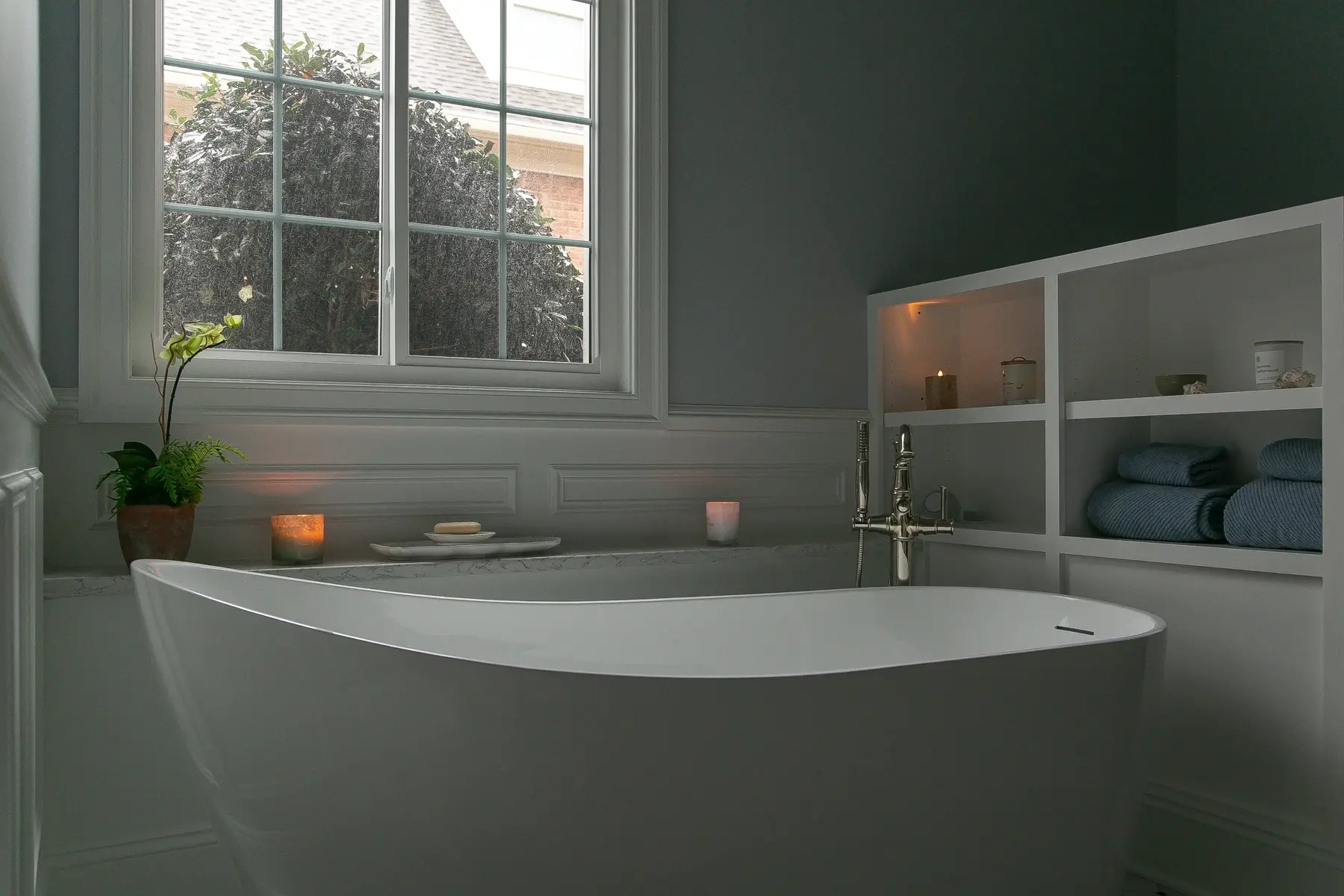
A home can be beautifully maintained and still no longer fit the people who live in it. The kitchen may divide family and guests instead of bringing them together. A primary bath may feel dated, cramped, or purely functional when it should offer a quiet personal retreat. Residential remodeling gives homeowners the opportunity to reshape those daily experiences with intention, creating spaces that feel more comfortable, capable, and distinctly their own.
For many Williamsburg homeowners, the goal is not simply to replace finishes. It is to make a long-loved home work better for the next chapter of life. That may mean opening a fragmented main floor, creating a kitchen that can handle both weekday meals and holiday gatherings, or reimagining a bathroom around comfort, accessibility, and calm.
Residential Remodeling Begins With How You Live
The strongest remodeling projects begin before a cabinet style or tile color is selected. They begin with a close look at how a household moves through the home. Where does everyone naturally gather? What creates friction in the morning? Which rooms go unused, and which ones are asked to do too much?
A family with school-aged children may need a kitchen with generous landing space, durable materials, and clear sightlines to the living area. Empty nesters may be more interested in a first-floor primary suite, a spa-inspired bath, or a flexible room for visiting family. A homeowner who loves to entertain may prioritize a larger island, a walk-in pantry, and a more natural connection between indoor and outdoor living spaces.
These are not minor details. They shape the layout, storage, lighting, material choices, and overall investment. A thoughtful design should feel personal because it is built around real routines rather than a passing trend.
Decide What Must Change and What Should Endure
A well-planned remodel respects the character worth keeping. In an older home, original millwork, a favorite view, a gracious entry, or the scale of a room may be part of what makes the home feel special. The purpose of remodeling is not to erase that identity. It is to make the home more useful and more beautiful within it.
This is where trade-offs deserve honest attention. Removing walls can create an open, welcoming flow, but not every wall should disappear. Some homeowners still value a separate dining room, a quieter study, or the ability to contain kitchen activity when hosting. Likewise, a large kitchen island is often desirable, but it must leave enough circulation space for people to move comfortably around it.
The right answer depends on the home and the people living there. An experienced design-construct team helps homeowners weigh those decisions early, when changes are easier to make and the vision can stay cohesive.
Kitchen Remodeling That Supports Connection
The kitchen is often the centerpiece of the home, and its success is measured in more than its finishes. A beautiful kitchen should also make cooking, serving, storing, and gathering feel easier. That may include better appliance placement, deeper drawers for everyday cookware, concealed storage for small appliances, layered lighting, or an island designed for both food preparation and conversation.
High-end materials can bring lasting visual impact, but performance matters just as much. Natural stone offers character and depth, while engineered surfaces may better suit households seeking consistency and lower maintenance. Custom cabinetry can maximize every inch of an unusual footprint, while carefully chosen semi-custom options may be appropriate when the layout is more straightforward. There is no universal best choice, only the choice that serves the home well over time.
Bathrooms Designed as Personal Retreats
A bathroom remodel has the power to change the rhythm of every day. It can turn a rushed morning into a more organized one and create an inviting place to unwind at night. Spacious showers, thoughtful lighting, warming elements, improved ventilation, and well-designed vanity storage each contribute to a more restorative experience.
For homeowners planning to remain in their homes for years, a bathroom is also a practical place to plan ahead. A curbless shower, wider clearances, secure grab bar blocking, and easy-to-reach storage can be integrated gracefully without making the room feel clinical. When accessibility is considered as part of the design from the beginning, the result can remain elegant and comfortable for every stage of life.
Why a Clear Process Protects the Investment
Residential remodeling involves many interdependent decisions. Design, permits, structural requirements, material lead times, site conditions, and installation details all affect the final outcome. Homeowners should expect their construction partner to explain the process clearly, identify decisions that need to be made, and communicate directly when an unexpected condition appears.
Older homes can hold surprises behind walls or beneath floors. Plumbing may need updating, framing may not align with modern plans, or previous renovations may reveal work that needs correction. These discoveries do not automatically derail a project, but they do require transparency. A reliable team presents the issue, explains the available options, and helps the homeowner make an informed choice.
That level of communication is especially valuable in a whole-home remodel, where a change in one room can affect adjoining spaces, mechanical systems, and the construction schedule. A cohesive plan helps prevent the common problem of completing one beautiful room only to find that the next project no longer matches it in style, scale, or function.
Invest in Details You Will Notice Every Day
Some of the most meaningful elements in a remodel are not the ones that make the first impression. They are the details that quietly improve daily living: drawers that close smoothly, outlets placed where they are needed, lighting that flatters rather than glares, trim work with crisp proportions, and storage that keeps surfaces clear.
Craftsmanship shows in these moments. Precise tile alignment, carefully fitted cabinetry, balanced hardware placement, and clean transitions between materials create a sense of quality that lasts beyond the reveal day. Premium finishes deserve equally thoughtful installation. Even the most beautiful selections can lose their impact when rushed or treated as afterthoughts.
At VanFleet Homes, the work is approached as a personalized transformation rather than a series of isolated construction tasks. Design decisions, material selections, and execution are considered together so the finished space feels intentional from the first step inside.
Plan for Value Beyond Resale
A well-executed remodel can strengthen a home's market appeal, particularly when it corrects dated layouts, expands useful living space, or elevates kitchens and bathrooms. Yet resale value should not be the only lens for a major home investment. The more immediate value is the quality of life the renovated home provides every day.
A practical mudroom can bring order to busy family routines. A better laundry room can make an unavoidable chore less frustrating. A reconfigured primary suite can make the home feel like a place to stay rather than one to outgrow. These benefits are difficult to capture on a spreadsheet, but they often matter most.
The smartest projects balance personal taste with enduring design. Choosing timeless proportions, quality materials, and a layout that functions well gives homeowners room to express themselves without making the home feel overly tied to one moment. Rich wood tones, sculptural lighting, expressive tile, and distinctive hardware can all feel current while still supporting a design with staying power.
Start With a Vision, Then Make It Buildable
Before selecting finishes or setting a construction date, gather the ideas that reflect the way you want your home to feel. Consider photographs, but also consider memories of spaces you have enjoyed: a hotel bath with exceptional lighting, a friend's kitchen that made entertaining effortless, or a living room that felt especially comfortable on a quiet afternoon.
Then turn those impressions into priorities. Separate must-haves from nice-to-haves, discuss how long you expect to remain in the home, and be candid about budget comfort. This does not limit creativity. It gives the design a strong foundation and helps direct investment toward the features that will matter long after the project is complete.
The best remodeled homes do not feel like showrooms. They feel settled, intuitive, and unmistakably personal. With careful planning, skilled craftsmanship, and open communication, your home can become a more fitting backdrop for the life you are building within it.